
post
Understanding the Risks: Why Codeine Is a Narcotic (Opioid) and Why It Matters
Codeine is a Narcotic
Codeine is one of the most well-known medications used worldwide for pain relief and cough suppression. Yet, this familiarity often obscures a critical fact about the drug: codeine is a narcotic. This classification is not a mere technicality; it is a direct reflection of its pharmacological properties. Its potential for dependence and misuse, and the strict legal control required to protect public health. This post delves into the science and regulation behind why codeine is a narcotic and what this means for patients and prescribers.
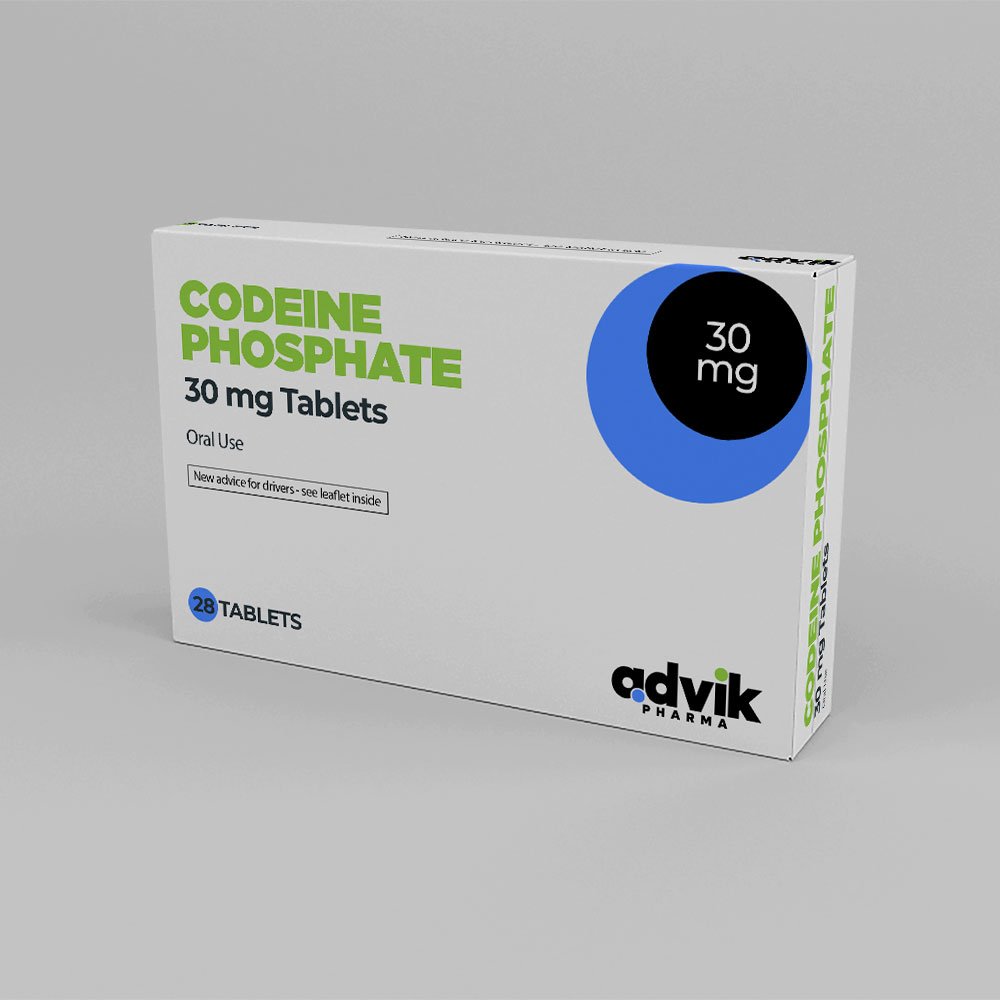
I. Introduction to Codeine
Definition and Chemistry
Codeine, chemically known as methylmorphine, is an opioid analgesic. A naturally-occurring compound, or alkaloid, derived from the opium poppy (Papaver somniferum). It is categorized as an opiate because of its natural origin. Pharmacologically, codeine itself is a prodrug because it has relatively low activity until the body metabolizes it. Primarily into morphine, which delivers most of its therapeutic and side effects.
Historical Background
The discovery of codeine dates back to 1832 when it was first isolated from the raw opium extract by French chemist Pierre Jean Robiquet. For nearly two centuries, it has been instrumental in medicine, initially valued as a less potent and allegedly less addictive alternative to morphine for managing pain and suppressing cough. Because people have used opium for centuries, the history of codeine shapes how we understand today’s challenges in regulating opioids.
Relevance: Why Understanding the Narcotic Nature Matters
The understanding that codeine is a narcotic is crucial for multiple reasons:
- Medical Safety: It guides responsible prescribing, emphasizing use only when non-opioid options have failed, and for the shortest duration possible to mitigate the risk of developing tolerance and dependence.
- Legal Compliance: It places codeine under controlled-substance laws globally, governing its manufacture, distribution, and dispensing (e.g., the shift to prescription-only status in many jurisdictions).
- Public Health: It acknowledges the significant risk of abuse, addiction, and fatal overdose inherent to all narcotics/opioids, informing public health campaigns and regulatory changes.
II. Classification: Why Codeine Is Considered a Narcotic
The classification of codeine as a narcotic is based on both its chemical origin and its action on the body.
A. Definition of “Narcotic” / “Opioid”
- Traditional/Medical Definition: Traditionally, a narcotic was any substance that produced stupor, dulled sensations, relieved pain (analgesia), and had the potential to cause physical dependence.
- Modern Legal and Regulatory Sense: Today, the term narcotic is largely a legal definition used in controlled-substance legislation. It commonly refers to opium and all its derivatives, including natural, semi-synthetic, and synthetic substances that mimic the effects of opium. Pharmacologically, these are collectively termed opioids.
B. Codeine’s Placement within that Classification
Codeine fits squarely within this classification:
- Opiate Origin: Codeine is a naturally-occurring opiate (alkaloid) derived directly from the opium poppy or is semi-synthetically produced from morphine.
- Mechanism of Action: Like other narcotics, codeine acts on the central nervous system (CNS). It achieves pain relief and cough suppression by binding to specific opioid receptors (primarily $\mu$-receptors) in the brain and spinal cord—the characteristic function of narcotic analgesics.
- Legal Status: Due to its potential for dependence and misuse, codeine is legally classified as a controlled narcotic/opioid in most countries, subjecting it to stringent tracking and prescribing requirements and if you are looking to buy codeine online then you can check it out on pillsalesnow.com

III. Medical Uses of Codeine
Despite the risks inherent to its narcotic classification, you can buy codeine online overnight to maintains important therapeutic roles:
- Pain Relief: It is effective for mild to moderate pain, often prescribed in combination products with non-opioid medications (like paracetamol or ibuprofen) to enhance the analgesic effect.
- Cough Suppression: Codeine suppresses a persistent, dry, or irritating cough by reducing the activity of the cough center located in the brainstem. Therefore if you buy codeine syrup it is going to help reduce it.
- Other Less Common Uses: It is sometimes prescribed for diarrhea due to its ability to decrease gastrointestinal motility (slowing gut movement).
⚠️ Limitation and Context: Codeine is not effective for everyone. Because of genetic differences in metabolism, some individuals (poor metabolizers) may not convert enough of the drug into active morphine to achieve effective pain relief. Given the potential for harm, codeine is reserved for short-term use in situations where non-opioid alternatives are insufficient or contraindicated.
IV. Pharmacology and Metabolism
The pharmacological properties of codeine are central to understanding its narcotic effects and inherent variability.
- Mechanism: Codeine works by binding to opioid receptors in the brain and spinal cord, inhibiting the transmission of pain signals.
- Conversion to Active Metabolite: Codeine is a prodrug. Its primary therapeutic action results from being metabolized in the liver, primarily by the CYP2D6 enzyme, into its active and far more potent metabolite, Morphine. This critical conversion process defines its effectiveness and risk profile.
- Duration and Onset: After oral administration, codeine typically begins to work within 30 minutes, with peak effects occurring within an hour and lasting for approximately four to six hours.
- Variability:Genetic differences in the CYP2D6 enzyme activity lead to significant variability:
- Ultra-rapid metabolizers convert codeine to morphine too quickly, increasing the risk of serious side effects, including respiratory depression and overdose.
- Poor metabolizers convert too little codeine to morphine, leading to insufficient pain relief. This variability underscores the need for cautious prescribing.
V. Risks, Side Effects, Dependence, and Overdose
The narcotic nature of codeine necessitates an acknowledgment of its significant risks, which escalate with misuse or long-term use.
A. Common Side Effects
Users frequently experience CNS-related effects such as drowsiness, dizziness, and lightheadedness. Other common side effects include nausea, vomiting, dry mouth, and severe constipation.
B. Serious Risks
The most dangerous adverse effect is respiratory depression a potentially fatal slowing or shallowing of breathing. When someone takes high doses of codeine or combines it with other central nervous system-depressing substances such as alcohol or sedatives the risk rises significantly. This combination is a major contributor to overdose incidents.
C. Long-Term Use Risks
Consistent use of codeine can rapidly lead to:
- Tolerance: The body requires escalating doses of the drug to achieve the same pain-relieving or euphoric effect.
- Physical Dependence: The body adapts to the presence of the narcotic, resulting in withdrawal symptoms if the drug is stopped abruptly. These symptoms include intense cravings, severe flu-like symptoms, irritability, nausea, and restlessness.
- Combination Product Harm: Overuse of products combining codeine with non-opioids (like acetaminophen/paracetamol or NSAIDs) carries the independent risk of serious organ damage from the non-opioid component (e.g., liver damage from excessive paracetamol).
D. Special Population Risks
Codeine is generally not recommended for long-term pain management. There is a potentially higher risk of serious adverse events in vulnerable populations, including:
- Older adults.
- People with pre-existing liver or kidney problems.
- People with breathing issues or lung disease (e.g., severe asthma or COPD).
VI. Regulation, Prescription, and Public Health Measures
The public health impact of opioid-related misuse has driven global change in how the narcotic codeine is regulated.
- Regulatory Classification: Codeine is classified internationally as a controlled opioid/narcotic, dictating how it is stored, tracked, and dispensed.
- Prescription-Only Status: In many countries, strict controls have been implemented. For instance, Australia moved all medicines containing codeine to prescription-only status since 2018.
- Regulators imposed the changes after evidence showed widespread misuse, addiction, and health harm from over-the-counter, low-dose codeine products often made worse by non-opioid ingredients in combination drugs.
- Recommendations for Safe Use:
- Use only under medical supervision as prescribed.
- Avoid mixing with alcohol or other depressants.
- Adhere strictly to the prescribed dose and duration.
- Ensure safe disposal of all unused medication to prevent diversion or accidental ingestion.
VII. Misuse, Dependence, and Addiction: Social and Medical Implications
The capacity of codeine to induce euphoria, sedation, and pain relief makes it susceptible to misuse—a central concern related to its narcotic status.
- Potential for Misuse: People misuse the drug when they take doses higher than prescribed, use it for non-medical reasons (such as recreational effects), or self-medicate for anxiety, stress, or other mental-health issues.
- Consequences of Misuse/Dependence: The resulting health harms include overdose, respiratory failure, and organ damage. Social consequences are far-reaching, impacting work, relationships, and financial stability, leading to a significant reduction in overall quality of life.
- Challenges in Discontinuation: Quitting the drug can be difficult due to intense withdrawal symptoms and persistent cravings, highlighting the chronic, relapsing nature of opioid addiction.
- Importance of Appropriate Strategies: Effective public health and medical management requires appropriate and judicious prescribing practices, careful patient monitoring, and the proactive promotion of alternative pain management strategies (e.g., non-opioid medications, psychological therapies, physical therapy).
VIII. Limitations of Codeine — When It Might Not Be Appropriate
The risks and variability associated with codeine often outweigh its benefits, suggesting it is frequently not the most appropriate choice.
- Variable Effectiveness: As detailed in Section IV, its effectiveness is highly dependent on individual metabolism, leading to a high rate of non-response.
- Not Suitable for Chronic Pain: The risk of tolerance, physical dependence, and the development of Opioid-Induced Hyperalgesia (increased pain sensitivity) makes it unsuitable for long-term or chronic pain conditions.
- Need for Caution in Vulnerable Populations: The heightened risk of severe side effects, especially respiratory depression, mandates extreme caution when prescribing to older adults, people with liver/kidney impairment, or those who may combine it with other CNS depressants.
- Safer Alternatives Often Available: For the majority of cases involving mild or short-term pain, safer alternatives—including non-opioid pain relievers (like ibuprofen or paracetamol) and non-pharmacological treatments—are readily available and preferred initial options.
IX. Ethical, Medical and Regulatory Controversies
Regulators balance access for patients who need codeine with efforts to reduce misuse and protect public safety.
- Accessibility Debate: The move to prescription-only status, while reducing misuse, raises ethical questions about access for those who truly benefit from its use under medical direction.
- Responsibility: Prescribing physicians and dispensing pharmacists carry a heavy ethical and legal responsibility to monitor use, prevent diversion, and ensure patients are fully informed about the potential for addiction, overdose, and withdrawal.
- Role of Public Health: Comprehensive public health education is essential to inform patients about the dangers of mixing codeine with alcohol, the importance of adhering to prescribed doses, and the correct disposal of unused medication.
- Societal Impact: The misuse of codeine and other narcotics contributes significantly to the burden on healthcare systems, addiction treatment services, and social support structures.
X. Conclusion: Key Insights on Why Codeine Is a Narcotic
The definitive takeaway is this: codeine is a narcotic (opioid). This status is chemically and legally established because it is derived from opium and acts on the central nervous system in a manner similar to other controlled opioids.
While codeine offers valuable, short-term relief for pain and cough, it is a potent compound that carries non-negotiable risks:
- High Potential for Dependence and Tolerance.
- Significant Risk of Respiratory Depression and Overdose.
- Variability in effectiveness due to genetic metabolism.
The trend toward stricter regulatory controls (like prescription-only access) is a necessary public health response to mitigate these harms. For many medical conditions, the safer and equally effective path lies in exploring non-opioid alternatives and non-pharmacological pain management approaches before resorting to a narcotic like codeine.

An impressive share! I have just forwarded this onto a friend who had been doing
a little homework on this. And he actually ordered me dinner simply
because I stumbled upon it for him… lol. So allow me to reword this….
Thanks for the meal!! But yeah, thanx for spending some time to talk about this topic here on your
web site.
Nice one
I am really enjoying the theme/design of your blog. Do you ever run into any browser compatibility problems?
A small number of my blog audience have complained
about my site not operating correctly in Explorer but looks great in Firefox.
Do you have any solutions to help fix this problem?
Thanks in favor of sharing such a fastidious thought, post is fastidious, thats why i have read it entirely